0969-435-240
 info@ieltslab.edu.vn
 Liên hệ ngay
Trong IELTS Speaking Part 2, Environment là một chủ đề khá phổ biến. Thí sinh có thể được yêu cầu nói về một vấn đề môi trường, một hoạt động bảo vệ môi trường hoặc một luật mà mình muốn áp dụng.
Đề bài: Describe a law of environment protection that you would like to introduce.
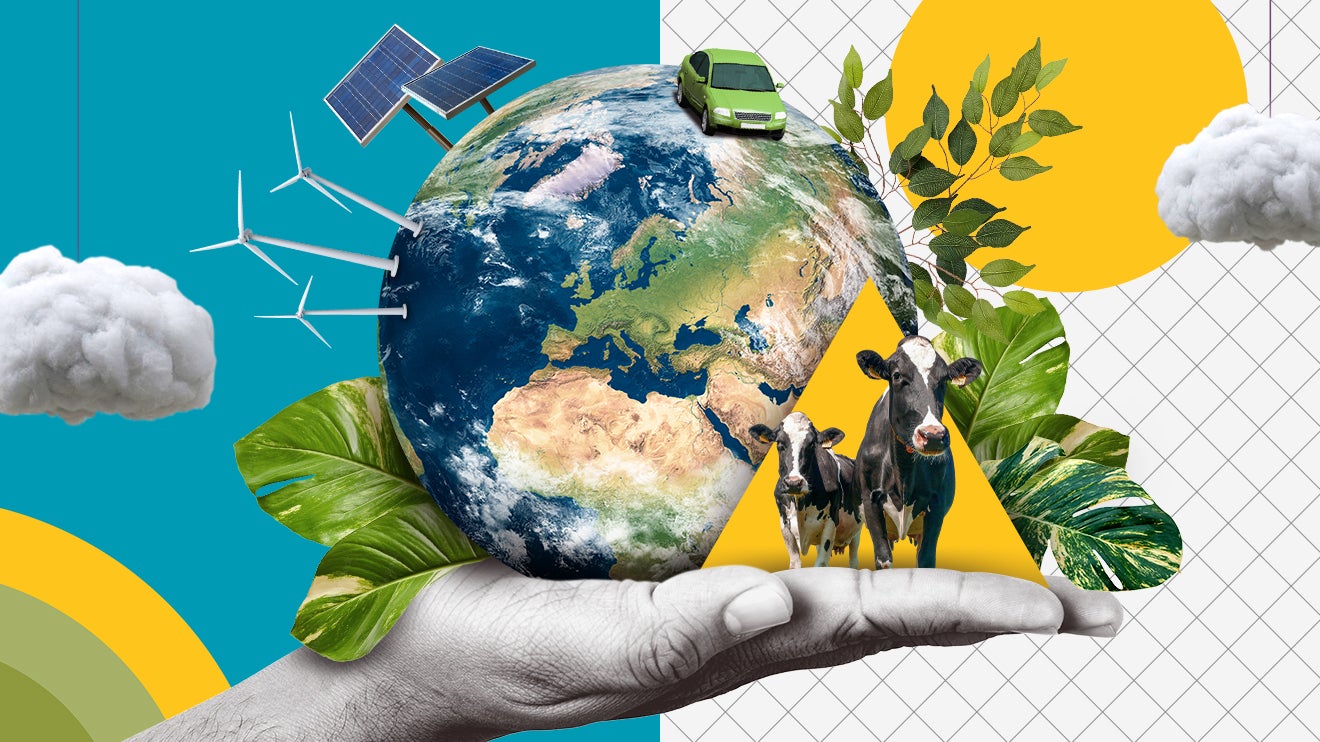
Ý tưởng được lựa chọn là một luật yêu cầu người dân phân loại rác tại nguồn – sort household waste before collection.
1. Ý tưởng cho đề IELTS Speaking về Environmental Law
Một cách đơn giản để xử lý đề này là lựa chọn một quy định gần gũi với cuộc sống hàng ngày. Thay vì nói về những chính sách phức tạp, bạn có thể đề xuất: A law requiring people to sort their household waste before it is collected.
Bài nói có thể phát triển theo 4 phần:
- Giới thiệu: Luật yêu cầu các hộ gia đình phân loại rác.
- Vấn đề: Các loại rác thường bị trộn lẫn, khiến việc tái chế trở nên khó khăn.
- Tác dụng: Rác hữu cơ có thể làm phân bón. Nhựa, thủy tinh và kim loại có thể được tái chế.
- Cảm nghĩ: Luật có thể khó áp dụng lúc đầu nhưng sẽ giúp mọi người có ý thức hơn về môi trường.
2. Bài mẫu IELTS Speaking Part 2
Introduction – Giới thiệu luật
I’d like to talk about a law that requires people to sort their household waste before it is collected and sent to treatment facilities. I think this is a relatively simple law. However, it could make a significant difference to the environment if everyone followed it.
The Problem – Vấn đề môi trường hiện nay
For many years, one major problem in my country has been that different types of waste are often mixed together. This makes recycling much more difficult. As a result, a large amount of waste ends up in landfills. Over time, these landfills can cause serious pollution. They can negatively affect the air, soil, and water sources around them.
How the Law Would Work – Luật sẽ được áp dụng như thế nào?
If this law is introduced and enforced, people will need to change some of their daily habits. Instead of throwing everything into the same bin, households will have to separate their waste at home. For example, food scraps and other organic waste could go into one bin. Plastic, glass, and metal could be put into separate recycling bins. This would make it much easier to process different types of waste properly.
Benefits – Tác dụng của luật
One major benefit is that organic waste can be turned into compost. The compost can then be used as a natural fertilizer for farms and gardens. This means that food waste doesn’t necessarily have to end up in landfills. Meanwhile, materials such as plastic, glass, and metal can be recycled and reused. This could reduce the need for new raw materials and help us conserve natural resources. In the long run, I think this law could significantly reduce the amount of waste sent to landfills.
Feelings – Cảm nghĩ về luật
Of course, it may take some time for people to adapt to the new system. Some people may find waste sorting inconvenient at first. Others may simply forget to do it. However, the government could organize public awareness campaigns to explain why waste sorting is important. If people understand the environmental benefits, I believe they will gradually become more environmentally conscious. Personally, I would strongly support this law. It’s a practical way for ordinary people to do their part to protect the environment.
3. Cách triển khai bài Speaking theo 4 phần
Để dễ ghi nhớ, bạn có thể chia bài thành 4 phần chính.
| Phần | Nội dung |
|---|---|
| Introduction | A law requiring households to sort their waste |
| Problem | Mixed waste → difficult to recycle → landfills → pollution |
| Benefits | Compost organic waste → recycle materials → save resources |
| Feelings | Difficult at first → awareness campaigns → environmentally conscious |
Cấu trúc này giúp bài nói có logic rõ ràng mà không cần học thuộc từng câu.
4. Vocabulary về Waste và Recycling
household waste: Rác thải sinh hoạt, tức rác phát sinh từ các hộ gia đình.
People should sort their household waste before collection.
sort waste: Phân loại rác.
The law would require people to sort their waste at home.
Ngoài sort waste, bạn cũng có thể sử dụng separate waste.
organic waste: Rác hữu cơ, chẳng hạn như thức ăn thừa và các vật liệu có khả năng phân hủy tự nhiên.
Organic waste can be turned into compost.
end up in landfills: Cuối cùng bị đưa đến các bãi chôn lấp rác.
A large amount of waste ends up in landfills.
Cụm này có thể sử dụng rất tốt trong các bài IELTS Speaking và Writing về waste management.
turn something into something: Biến một thứ thành một thứ khác.
Organic waste can be turned into compost.
natural fertilizer: Phân bón tự nhiên.
Compost can be used as a natural fertilizer.
5. Vocabulary về Environmental Protection
conserve natural resources: Bảo tồn, tiết kiệm tài nguyên thiên nhiên.
Recycling can help us conserve natural resources.
Đây là một collocation hữu ích cho nhiều chủ đề liên quan đến môi trường.
environmentally conscious:Có ý thức về môi trường.
People may gradually become more environmentally conscious.
Bạn cũng có thể học thêm:
environmental awareness: nhận thức về môi trường
environmentally friendly: thân thiện với môi trường
environmental protection: bảo vệ môi trường
public awareness campaign:Chiến dịch nâng cao nhận thức cộng đồng.
The government could organize public awareness campaigns.
Cụm này cũng có thể áp dụng cho các chủ đề khác như health, road safety và education.
do your part:Làm phần việc của mình, đóng góp phần của mình vào một mục tiêu chung.
Everyone should do their part to protect the environment.
Đây là cách diễn đạt khá tự nhiên trong Speaking khi bạn muốn nói về trách nhiệm cá nhân.
6. Vocabulary về Laws and Regulations
Vì cue card hỏi trực tiếp về law, bạn nên có một số từ vựng liên quan đến luật và việc thực thi luật.
introduce a law:Đưa ra hoặc ban hành một luật mới.
I would like to introduce a law on waste sorting.
enforce a law:Thực thi luật, đảm bảo mọi người tuân thủ luật.
The law needs to be properly enforced.
Có thể phân biệt:
introduce a law: đưa ra luật
pass a law: thông qua luật
enforce a law: thực thi luật
obey/follow a law: tuân thủ luật
adapt to something:Thích nghi với một sự thay đổi.
It may take time for people to adapt to the new system.
Cụm này rất linh hoạt và có thể sử dụng cho nhiều chủ đề IELTS khác ngoài Environment.
7. Cách ghi nhớ bài bằng Storyline
Thay vì học thuộc toàn bộ sample answer, bạn có thể ghi nhớ chuỗi keyword:
Waste sorting law → Mixed waste → Landfills → Pollution → Separate at home → Compost → Recycling → Save resources → Awareness → Protect environment
Sau đó, phát triển từng keyword thành một hoặc hai câu.
Bạn cũng có thể ghi nhớ bài theo quan hệ Problem → Solution → Benefits:
Problem: Mixed waste makes recycling difficult.
↓
Solution: Require households to separate their waste.
↓
Benefit 1: Organic waste → compost → fertilizer.
↓
Benefit 2: Plastic/glass/metal → recycling.
↓
Result: Less landfill waste + fewer raw materials needed.
Cách học này giúp bạn tái tạo câu trả lời ngay cả khi quên một vài câu trong bài mẫu.
8. Tổng kết
Với đề “Describe a law of environment protection that you would like to introduce”, luật phân loại rác tại nguồn là một ý tưởng tương đối dễ triển khai.
Bạn có thể bắt đầu từ vấn đề rác thải bị trộn lẫn. Sau đó, hãy giải thích cách luật hoạt động và những lợi ích mà nó mang lại.
Các cụm như sort household waste, end up in landfills, organic waste, conserve natural resources và environmentally conscious cũng có thể tái sử dụng trong nhiều đề IELTS về Environment.
Quan trọng hơn, bạn không cần học thuộc toàn bộ bài. Hãy ghi nhớ logic Problem → Solution → Benefits → Feelings để có thể phát triển câu trả lời một cách tự nhiên trong phòng thi.