 0969-435-240
 info@ieltslab.edu.vn

 Liên hệ ngay
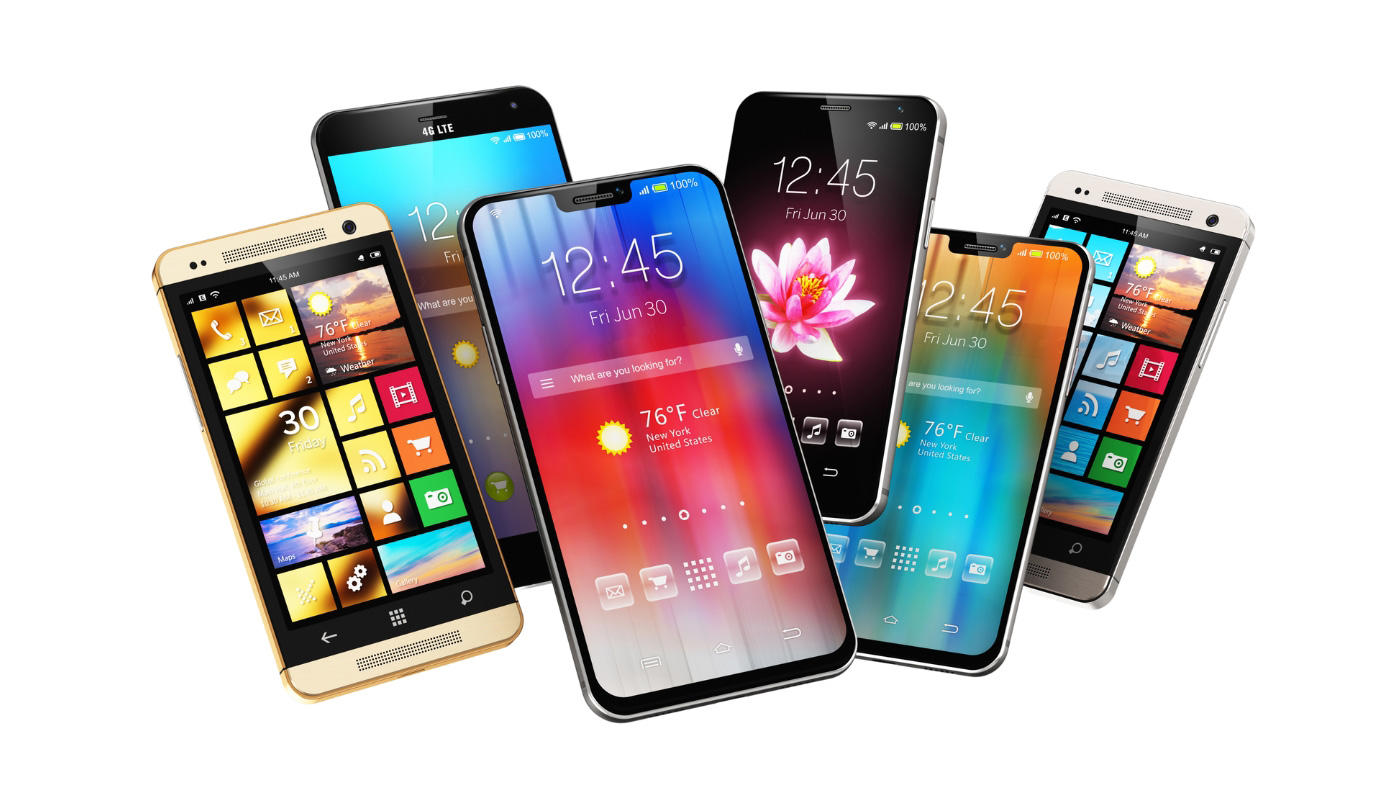
Mobile Phones (Điện thoại di động) là một chủ đề quen thuộc trong IELTS Speaking Part 3, với các câu hỏi xoay quanh thói quen sử dụng điện thoại, sự khác biệt giữa các thế hệ và những quy định liên quan đến thiết bị di động.
Cùng IELTS Lab tham khảo 6 bài mẫu Speaking Part 3 Band 8.0+ và những từ vựng hữu ích để phát triển câu trả lời tự nhiên, mạch lạc hơn nhé!
1. Danh sách câu hỏi IELTS Speaking Part 3 – Mobile Phones
Dưới đây là 6 câu hỏi thuộc chủ đề Mobile Phones để bạn luyện tập:
|
2. Bài mẫu IELTS Speaking Part 3 – Topic Mobile Phones
Question 1: In your country, which places are not allowed people to use phones?
Sample Answer (Band 8.0+ tham khảo):
| Well, in Vietnam, people are usually not allowed to use phones in places where silence, safety, or respect is important. For example, in exam rooms, students have to turn off their phones because phones can easily be used for cheating, taking photos of test papers, or looking up answers online.
Hospitals are another place where phone use may be limited, especially in certain treatment areas, because loud conversations can disturb patients and some devices may affect medical equipment. Also, in cinemas, theatres, temples, and formal meetings, using a phone is considered rude because it can break the atmosphere and distract other people. On top of that, drivers are not supposed to use phones while driving, since even a quick message can take their attention away from the road. |
Từ vựng nổi bật:
| Từ vựng | Ý nghĩa |
|---|---|
| look up answers | Tra cứu đáp án |
| break the atmosphere | Phá vỡ bầu không khí |
| take someone’s attention away | Khiến ai đó mất tập trung |
| disturb patients | Làm phiền bệnh nhân |
| be considered rude | Bị coi là bất lịch sự |
Question 2: Do you think it is important to introduce new rules for using mobile phones?
Sample Answer (Band 8.0+ tham khảo):
| Absolutely, I think new rules are necessary because mobile phones are becoming more powerful and more distracting than before.
In the past, a phone was mainly used for calling or texting, but now it can be used for gaming, filming, shopping, studying, and scrolling through social media for hours. Because of this, schools, workplaces, and public places need clearer rules to stop phones from getting in the way of learning, working, or communicating properly. That said, rules should not be too extreme because mobile phones are also useful in many situations. For example, students may need them to contact parents after school, and workers may need them to handle urgent tasks or stay connected with clients. |
Từ vựng nổi bật:
| Từ vựng | Ý nghĩa |
|---|---|
| scroll through social media | Lướt mạng xã hội |
| get in the way of | Cản trở điều gì |
| too extreme | Quá cực đoan |
| handle urgent tasks | Xử lý công việc khẩn cấp |
| stay connected | Giữ liên lạc |
Question 3: Why do young and old people use mobile phones differently?
Sample Answer (Band 8.0+ tham khảo):
| Well, I think young and old people use mobile phones differently because they grew up in very different technological environments.
Young people are more used to smartphones, so they often use them for entertainment, online learning, shopping, taking photos, and keeping in touch with friends through social media. For many of them, the phone is not just a tool; it is almost a part of their daily routine and even their personal identity. Older people, on the other hand, usually use phones in a more practical way, such as calling family members, reading news, watching videos, or using banking apps when necessary. Some older people may also feel less confident with new features, so they tend to stick to basic functions instead of exploring everything. In simple terms, young people use phones for connection and lifestyle, while older people often use them for convenience and essential communication. |
Từ vựng nổi bật:
| Từ vựng | Ý nghĩa |
|---|---|
| different technological environments | Môi trường công nghệ khác nhau |
| be used to something | Quen với điều gì |
| keep in touch with | Giữ liên lạc với |
| a part of one’s daily routine | Một phần thói quen hằng ngày |
| personal identity | Bản sắc cá nhân |
| stick to | Chỉ sử dụng hoặc gắn bó với điều gì |
Question 4: When should parents allow their children to have mobile phones?
Sample Answer (Band 8.0+ tham khảo):
| From my perspective, parents should allow children to have mobile phones when they are old enough to use them responsibly, not simply when they ask for one.
In many cases, this might be around secondary school, because children may need to contact their parents, check homework, or use learning apps. However, giving a child a phone too early can be risky because they may spend too much time playing games, watching short videos, or getting exposed to unsuitable content. A good solution is for parents to start with a basic phone or a phone with parental controls, so children can enjoy the benefits without having unlimited freedom. |
Từ vựng nổi bật:
| Từ vựng | Ý nghĩa |
|---|---|
| use something responsibly | Sử dụng thứ gì đó có trách nhiệm |
| get exposed to | Tiếp xúc với |
| unsuitable content | Nội dung không phù hợp |
| parental controls | Tính năng kiểm soát của phụ huynh |
| unlimited freedom | Sự tự do không giới hạn |
Question 5: Do you agree that the social rules in the past were stricter than those of today?
Sample Answer (Band 8.0+ tham khảo):
| To be honest, yes, I do think social rules in the past were generally stricter than they are today.
In the past, young people were expected to obey older people, dress modestly, speak politely, and follow family or community expectations without asking too many questions. For example, in many Vietnamese families, children were not encouraged to argue with parents, even when they had a different opinion, because that could be seen as disrespectful. Nowadays, people have more freedom to express themselves, choose their lifestyle, and speak their mind, especially in cities. However, I wouldn’t say today’s society has no rules; the rules have just changed and become more flexible. |
Từ vựng nổi bật:
| Từ vựng | Ý nghĩa |
|---|---|
| obey older people | Nghe lời người lớn tuổi |
| dress modestly | Ăn mặc kín đáo, lịch sự |
| speak politely | Nói chuyện lịch sự |
| follow family or community expectations | Tuân theo kỳ vọng của gia đình hoặc cộng đồng |
| speak one’s mind | Thẳng thắn bày tỏ quan điểm |
| be seen as disrespectful | Bị coi là thiếu tôn trọng |
Question 6: Is it quite prevalent that people are addicted to mobile phones?
Sample Answer (Band 8.0+ tham khảo):
| Well, yes, I think phone addiction is quite common these days, although not everyone would admit it.
Many people automatically check their phones when they wake up, when they are waiting for a lift, or even when they are eating with friends, so the habit has become almost second nature. Social media apps, short videos, and online games are designed to keep people watching, which makes it very easy to lose track of time. That said, I don’t think all frequent phone use should be called addiction, because many people genuinely need phones for work, study, or communication. |
Từ vựng nổi bật:
| Từ vựng | Ý nghĩa |
|---|---|
| phone addiction | Chứng nghiện điện thoại |
| second nature | Thói quen trở nên tự nhiên, gần như vô thức |
| lose track of time | Quên mất thời gian |
| automatically check one’s phone | Kiểm tra điện thoại theo phản xạ |
| frequent phone use | Việc sử dụng điện thoại thường xuyên |
3. Mẹo trả lời IELTS Speaking Part 3 chủ đề Mobile Phones
Để trả lời tốt các câu hỏi IELTS Speaking Part 3 – Mobile Phones, bạn nên chú ý:
- Đưa ra quan điểm rõ ràng: Trả lời trực tiếp câu hỏi trước khi mở rộng ý.
- Sử dụng ví dụ thực tế: Liên hệ đến việc sử dụng điện thoại trong trường học, gia đình và nơi công cộng.
- Phân tích nhiều góc nhìn: Đề cập cả lợi ích và tác hại của điện thoại thay vì chỉ tập trung vào một phía.
- Sử dụng collocations tự nhiên: Những cụm từ như keep in touch with, get in the way of, lose track of time sẽ giúp cách diễn đạt linh hoạt hơn.
4. Luyện tập IELTS Speaking Part 3 cùng IELTS Lab
Chủ đề Mobile Phones không chỉ đòi hỏi vốn từ về công nghệ mà còn yêu cầu thí sinh có khả năng so sánh, giải thích nguyên nhân và đưa ra quan điểm về những vấn đề xã hội.
Hy vọng 6 bài mẫu IELTS Speaking Part 3 – Mobile Phones trên sẽ giúp bạn mở rộng vốn từ, học cách phát triển lập luận và tự tin hơn trong phòng thi.
Đừng quên theo dõi IELTS Lab để cập nhật thêm các bài mẫu IELTS Speaking theo chủ đề và những phương pháp luyện thi hiệu quả nhé!








Để lại một bình luận
Bạn phải đăng nhập để gửi bình luận.